

- Introduction
- Chatbots and Customer Engagement
- Lead Generation and Qualification
- Customer Support Efficiency
- Personalized Marketing and Sales
- Data-Driven Insights and Optimization
- Multi-Channel Integration
- Strategic Implementation Framework
- Best Practices for Effective Engagement
- Challenges and Solutions
- Future Growth and Scaling
- Conclusion
- FAQ
Introduction
Digital marketing today is all about connection. People want quick answers, personal attention, and simple ways to get help when they need it. But most businesses cannot stay active 24/7 or respond instantly to every visitor. This is where chatbots have become a powerful part of the online customer experience.
By leveraging chatbots for transforming digital marketing engagement (vtraffic), companies can now talk with customers in real time, guide them through decisions, answer questions, and even help collect leads without extra staff. Chatbots don’t just save time. They create smoother conversations that feel helpful and natural.
In this article, we’ll look at how chatbots are changing customer engagement, supporting sales teams, improving customer service, and helping businesses grow online. Whether you’re a small brand or a large company, understanding how to use chatbots effectively can make a noticeable difference in your results.
Chatbots and Customer Engagement
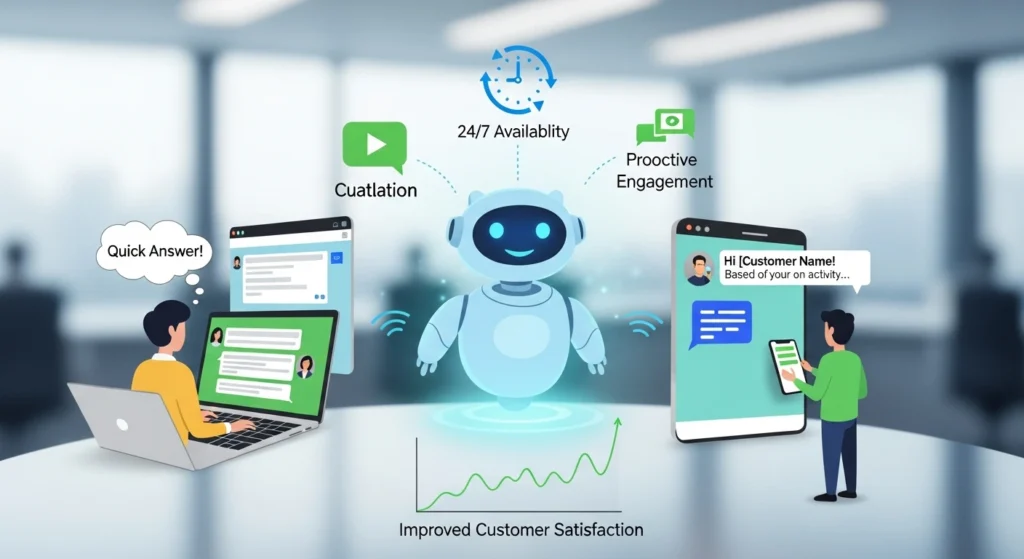
Real-time responses and 24/7 availability
Chatbots respond instantly, even when your team is offline. This keeps visitors from leaving your website and improves satisfaction.
Personalized conversations based on behavior
Chatbots recognize user actions such as pages visited or items viewed and offer helpful suggestions.
Proactive engagement vs reactive support
Proactive engagement means the chatbot starts the conversation first. Reactive support means responding when a customer asks. Both help increase meaningful interactions.
Lead Generation and Qualification
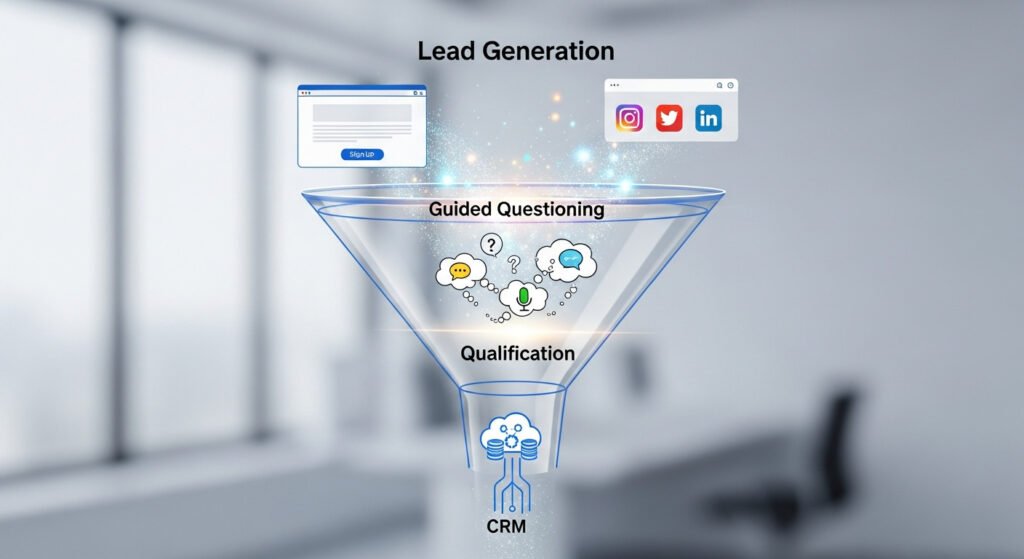
Lead capture from website or social platforms
Chatbots greet new visitors and collect basic details like name, email, or interests without forcing lengthy forms.
Guided questioning to qualify leads
Chatbots ask simple follow-up questions to understand a visitor’s needs and interest level before passing them to the sales team.
CRM and sales funnel integration
Chatbots can automatically send captured lead data to CRM tools for easy follow-up.
Customer Support Efficiency
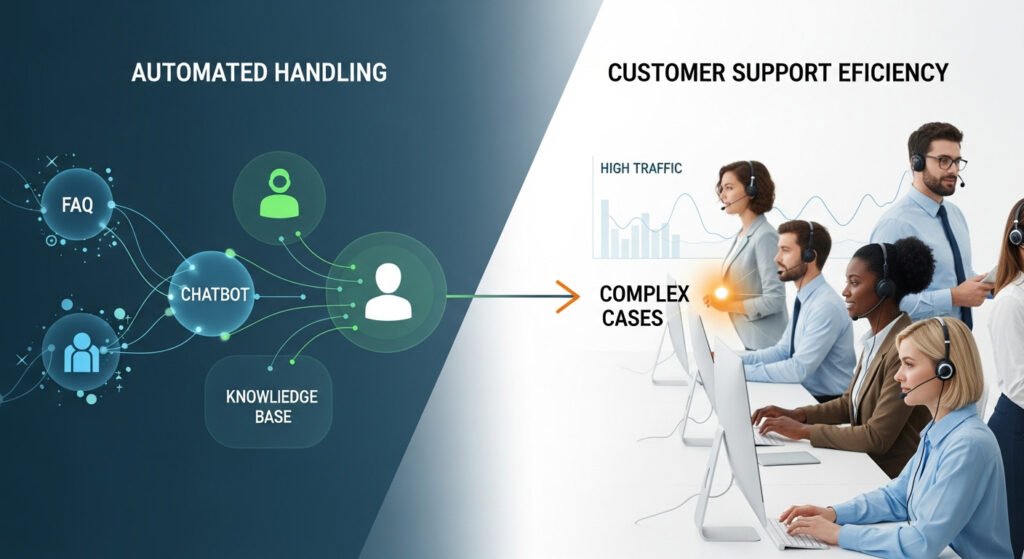
Automated handling of frequent queries
Common questions like delivery times, product details, or pricing can be handled in seconds.
Consistency during high traffic
Chatbots do not get overwhelmed. Every customer receives help, even during busy times.
Human agent hand-off for complex cases
If a chatbot cannot solve an issue, it transfers the chat to a human agent smoothly.
Personalized Marketing and Sales
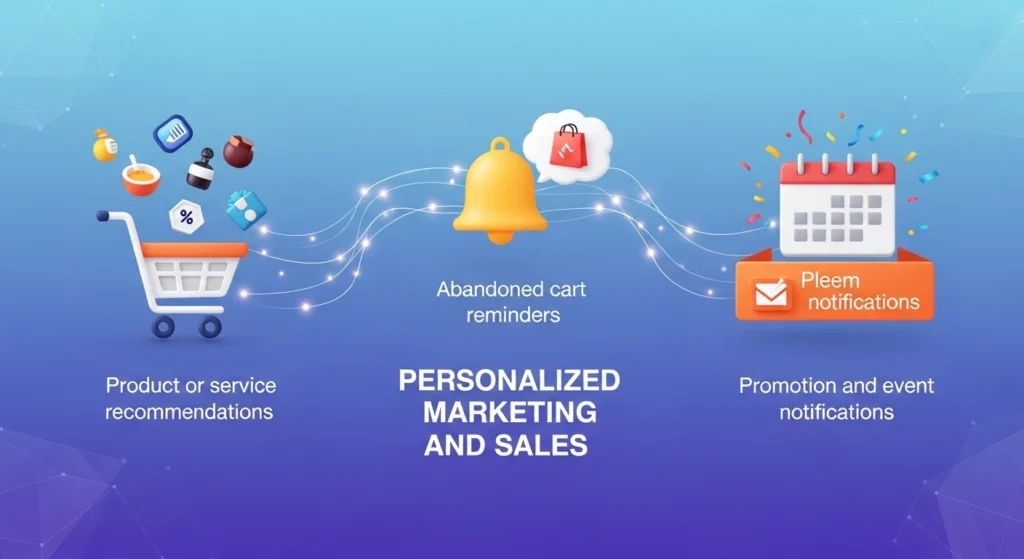
Product or service recommendations
Chatbots suggest items or services based on what the customer is browsing.
Abandoned cart reminders
If a customer leaves the website with items in their cart, a chatbot can kindly send follow-up reminders.
Promotion and event notifications
Chatbots can notify customers about discounts, seasonal offers, or new arrivals.
Data-Driven Insights and Optimization
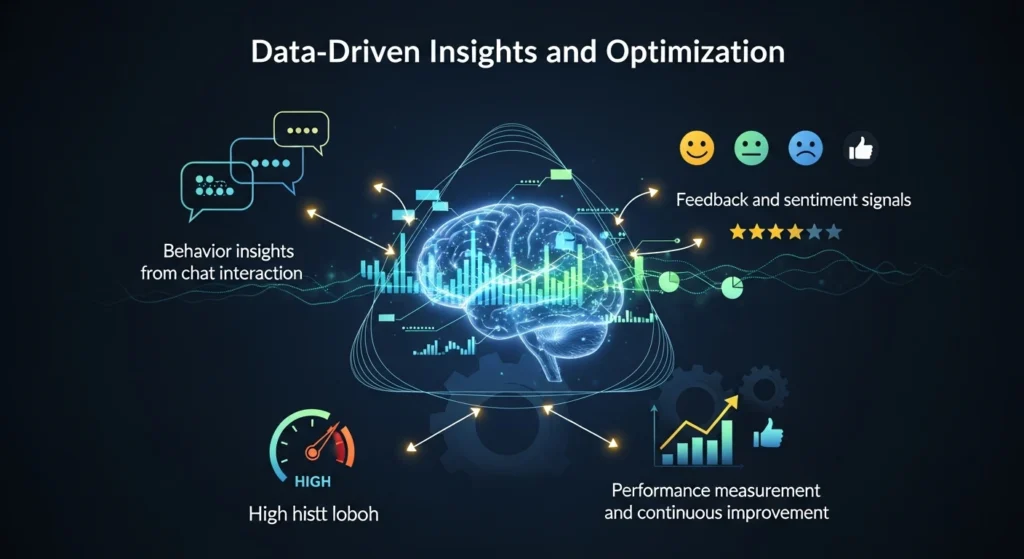
Behavior insights from chat interaction
Chat conversations reveal what customers care about most.
Feedback and sentiment signals
Chatbots can ask visitors how helpful the conversation was and gather reviews.
Performance measurement and continuous improvement
Businesses can track response time, user satisfaction, and lead capture success to optimize over time.
Multi-Channel Integration
Website chatbot experience
Chatbots greet users and assist them with navigation.
Social media and messaging apps
They can operate on Facebook, Instagram, WhatsApp, and similar platforms.
Mobile app and third-party compatibility
Chatbots also work in mobile apps or service platforms.
Strategic Implementation Framework
Define clear goals
Decide whether your chatbot will focus on support, lead capture, or engagement.
Select the right chatbot platform
Choose a platform based on simplicity, features, and integration options.
Design natural conversational flow
Write chatbot messages in a friendly and easy-to-understand tone.
CRM / system integration
Ensure leads and chat data flow into your CRM or marketing systems.
Measure and optimize performance
Test different greeting messages, button placements, and conversation steps.
Best Practices for Effective Engagement
User-friendly design and tone
Chatbots should sound natural, not mechanical.
Meaningful placement at key points
Place chatbots where users commonly need help, such as on product pages.
Privacy and trust
Let users know when data is being collected.
Challenges and Solutions
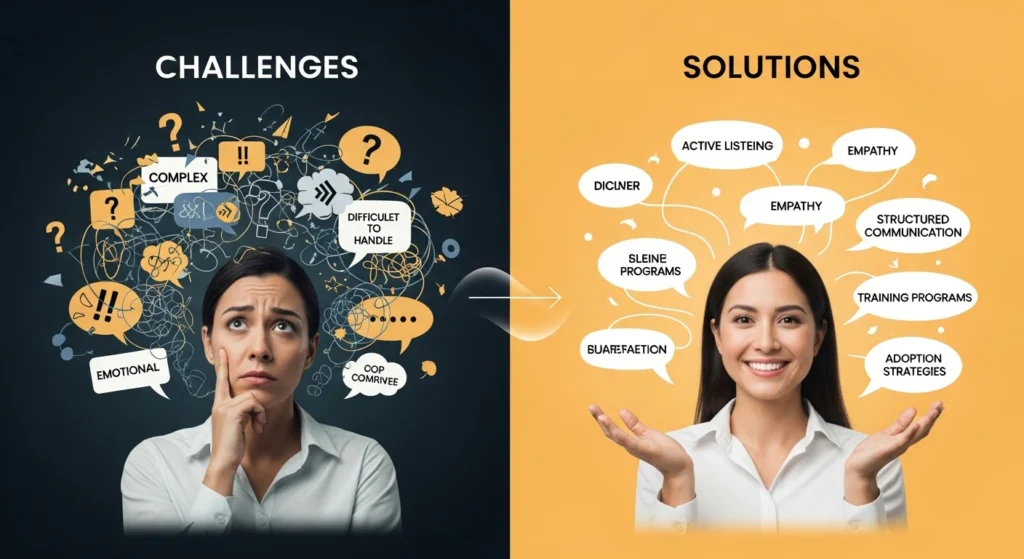
Handling complex or emotional questions
Use human hand-off when needed.
Maintaining natural conversation flow
Review chat logs and improve the script regularly.
Organizational training and adoption
Ensure teams understand how the chatbot contributes to customer communication.
Future Growth and Scaling
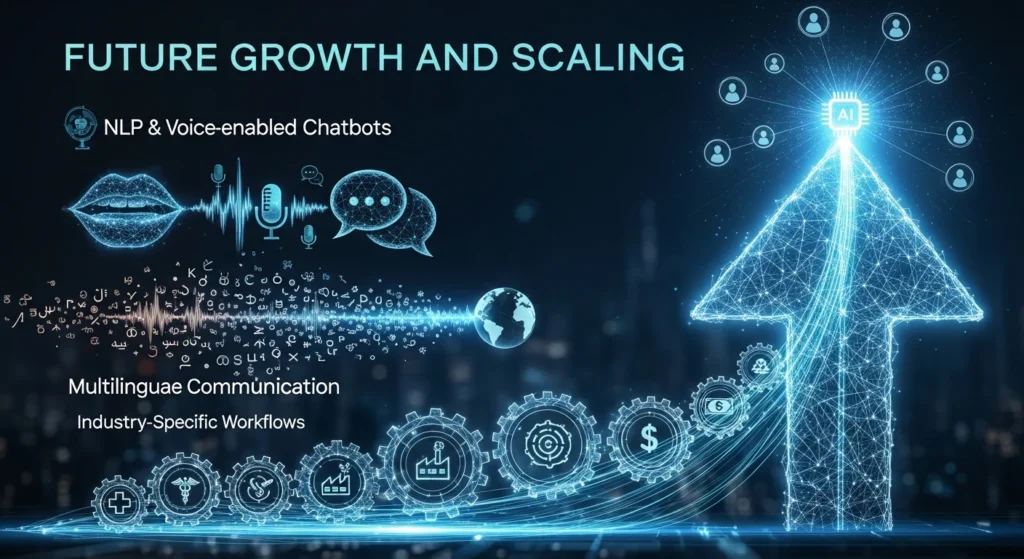
Advanced NLP and voice-enabled chatbots
Chatbots will better understand natural language and spoken voice.
Multilingual communication
Businesses will be able to engage customers from different regions.
Industry-specific workflows
Chatbots will adapt to different sectors such as finance, healthcare, and retail.
Hyper-personalization with AI
Chatbots will analyze behavior deeply to offer highly tailored recommendations.
Conclusion
Chatbots make digital marketing more responsive, engaging, and efficient. They improve customer experiences, increase qualified leads, support users, and help businesses grow. As AI continues to improve, chatbots will become smarter and more natural. Now is the right time for businesses to start using conversational AI to enhance engagement and create better customer relationships.
FAQ
What is the role of chatbots in digital marketing?
Chatbots help businesses talk with customers instantly, answer common questions, and guide users. This improves engagement and reduces waiting time.
How do chatbots help with lead generation?
Chatbots collect contact details and ask basic questions to see if the visitor is interested. This makes it easier for sales teams to follow up.
Do chatbots replace human support?
No. Chatbots handle simple tasks. Humans are needed for more complex or emotional situations.
Are chatbots costly to set up?
Many chatbot tools are affordable or offer free plans. They often cost less than hiring extra support staff.

Pingback: How To Use A Medical Chatbot: Simple Guide For Patients
Pingback: Free Social Media Automation With Notion Database In 2026
Pingback: Janitor AI Chatbot Platform: Beginner’s Friendly Guide
Pingback: Best Identity Verification Provider | Secure ID Solutions