
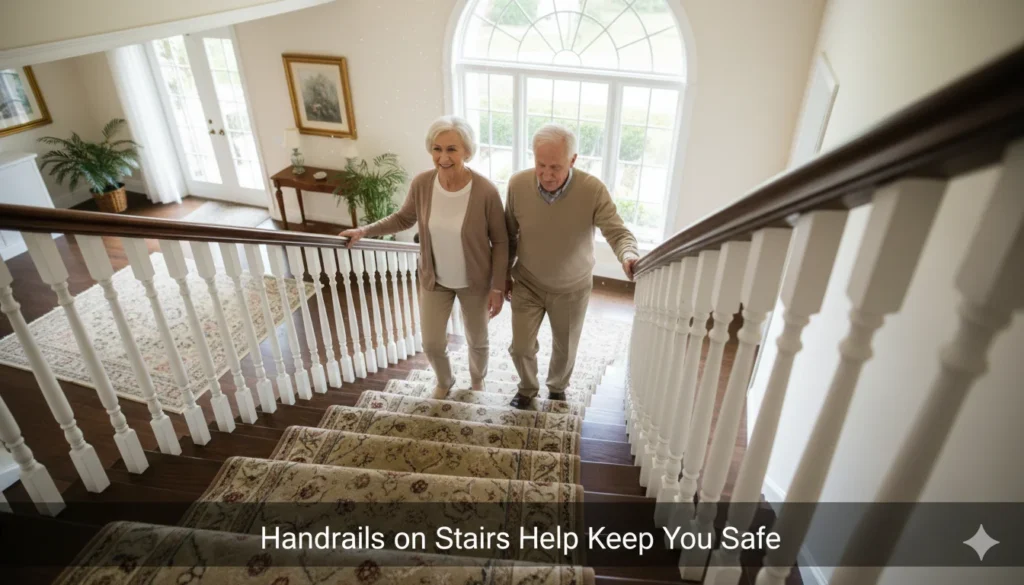
Stairs are something we use every day at home, at work, and in public places. Most people do not think about stair safety until an accident happens. A small slip or missed step can quickly turn into a serious injury. That is why Handrails on Stairs Help Keep You Safe by giving your body balance, support, and control while moving up or down.
Handrails provide a stable point to hold, helping prevent falls, slips, and loss of balance. They are important for everyone, including children, older adults, and people with mobility challenges. In this article, you will learn how handrails improve safety, reduce the risk of injury, and make stairways safer in everyday life.
Why Handrails Are Essential for Stair Safety
Handrails are one of the most basic safety features on stairs. Their main job is to provide handrail support so people can hold on while moving up or down. This support helps with stair safety and accident prevention.
Stairs can be dangerous because they involve changes in height. A small mistake, like missing a step or losing balance, can lead to a fall. Handrails help prevent falls by giving your body extra balance and stability. Even healthy adults benefit from using handrails, especially when they are tired, in a hurry, or not paying full attention.
Handrails are essential safety equipment in homes, workplaces, and public buildings. They are not just for emergencies. Using a handrail every time you use the stairs can reduce the chance of slips and trips and lower the risk of injury.
How Handrails Improve Balance and Stability
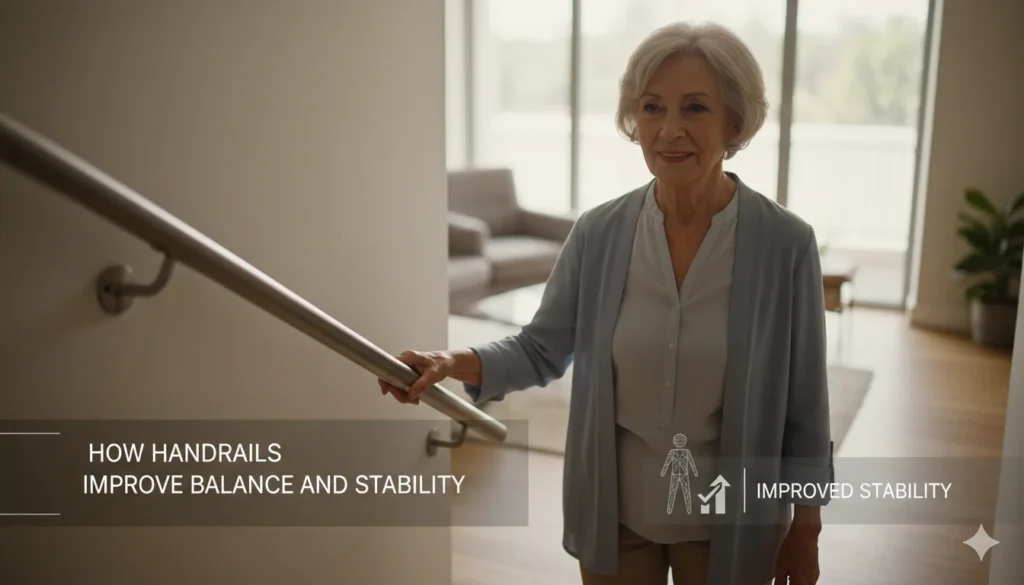
Balance is one of the main reasons people fall on stairs. Handrails help by offering balance support and a stable point to hold.
Support When Going Up and Down Stairs
When you go upstairs, your body leans forward. When you go down, your body leans back. Both movements can make it easier to lose balance. Gripping a handrail gives you support when ascending and support when descending. If your foot slips, your hand can quickly react and help steady your body.
This simple action can turn a dangerous moment into a safe one. It improves balance and stability and helps with fall prevention.
Extra Help During Daily Activities
Many everyday situations increase the risk of falls. Carrying groceries, holding a child, using a phone, or rushing can make stair use less safe. In these moments, handrail gripability matters a lot. A good gripping surface allows your hand to hold firmly and confidently.
Handrails also help with safe stair navigation when you feel tired or distracted. They reduce fall risk and give your body extra control when you need it most.
Preventing Slips, Trips, and Serious Falls
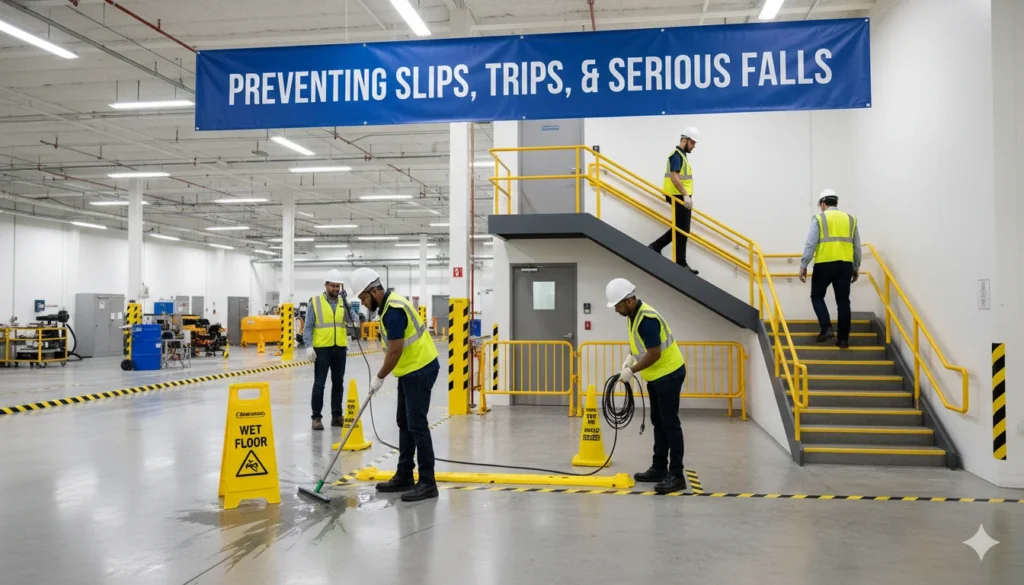
Slips and trips are common causes of stair accidents. Handrails play a key role in slips and falls prevention.
How a Handrail Can Stop a Fall
A slip does not always have to turn into a fall. When you are gripping a handrail, your body has something to rely on. The handrail can help you regain balance quickly. This reduces the chance of falls and helps with injury reduction.
Handrails are especially helpful in preventing serious falls that can lead to broken bones or head injuries. This makes them an important part of fall prevention strategies.
Common Stair Hazards
Many hazards can make stairs unsafe. Wet stairs from rain or cleaning create a wet stairs hazard. Poor lighting causes low light visibility, making it harder to see steps clearly. Loose rugs, clutter, and worn stair edges also increase the risk of slips and trips.
Handrails provide extra protection in all these situations. Even when hazards cannot be removed right away, a continuous handrail can help keep people safe.
Safety Benefits for Vulnerable Users
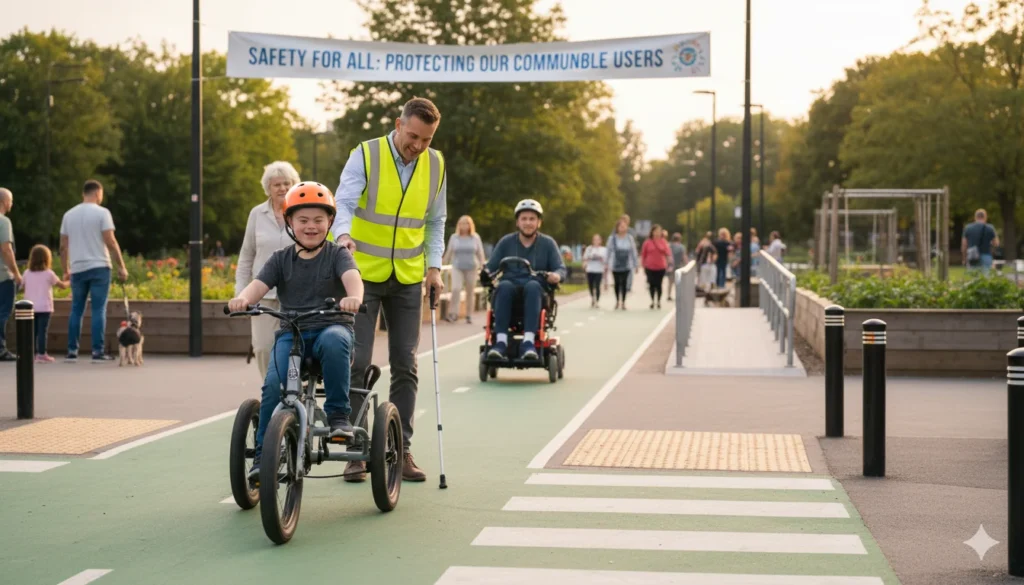
Some people face a higher risk of falling on stairs. Handrails offer important mobility assistance and mobility support for these groups.
Older Adults
Elderly stair safety is a major concern. As people age, balance, strength, and reaction time can decrease. Handrails help older adults move safely and with more confidence. They reduce the risk of falls and support independence at home and in public spaces.
Children
Children are still learning how to move safely on stairs. Children’s safety improves when handrails are present and easy to reach. Proper handrail height allows children to hold on as they climb or descend. This supports children’s stair safety and helps prevent accidents during play or daily routines.
People With Mobility Challenges
People with injuries, disabilities, or long-term mobility issues rely heavily on handrails. Handrails that are accessible for all provide confidence and independence. They support vulnerable users and make stairways safer for everyone, not just those with mobility challenges.
Handrails and Safety Codes Explained
Handrails are not just a good idea. In many cases, they are required by safety rules and building codes.
Why Safety Codes Matter
Building codes exist to protect people. Safety compliance requirements help ensure that stairways are designed with user safety in mind. Building codes for handrails aim to reduce accidents and improve accessibility.
In the United States, handrails are often required in homes, workplaces, and public buildings. These rules help with fall risk reduction and protect property owners as well.
Basic Handrail Requirements
Most safety codes focus on proper handrail height, secure handrail placement, and continuous handrail design. A continuous handrail means the rail runs along the full length of the stairs without breaks. This provides constant support.
Handrail installation standards also require a gripping surface that is easy to hold. These guidelines help make sure handrails actually work as intended.
Accessibility laws like the Americans with Disabilities Act support ADA accessibility and ADA-compliant handrails in public spaces. These rules help ensure stairways are safe and usable for everyone.
Handrails in Homes, Workplaces, and Public Areas
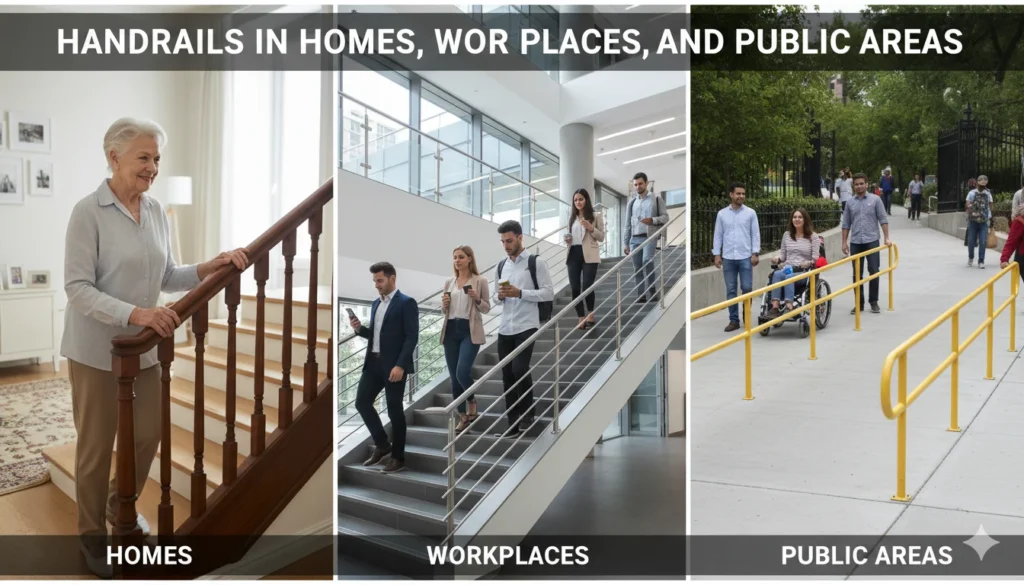
Handrails play an important role in many different settings.
Home Stair Safety
In homes, residential stair safety is critical. Indoor and outdoor stairs should have secure handrail installation to reduce accidents. This is especially important in homes with children, elderly family members, or guests.
Using handrails every day can help prevent slips and falls and protect loved ones.
Workplaces and Public Buildings
In workplaces and public areas, handrails help safeguard your business and protect employees and visitors. Commercial stair safety reduces injuries and lowers the chance of costly accidents.
Handrails are a safety asset for stairways in schools, offices, and stores. They help meet compliance requirements and show care for public safety.
Handrails on Stairs Help Keep You Safe
Not all handrails offer the same level of safety. Choosing the right one matters.
Grip and Comfort
A good handrail should have a smooth but secure gripping surface. Handrail gripability allows hands of all sizes to hold firmly. This grip support improves balance and confidence.
Installation and Maintenance
Secure handrail installation is just as important as the handrail itself. A loose or poorly installed rail can be dangerous. Regular checks and maintenance help ensure long-term safety and mobility confidence.
Materials That Last
Handrails come in many materials, including wood and metal. Durable materials that resist wear and weather help provide long-lasting safety. Well-maintained handrails continue to reduce injury risk over time.
Conclusion
Handrails on stairs help keep you safe by improving balance, preventing falls, and supporting people of all ages and abilities. They are a simple but powerful safety feature that reduces accidents and injuries. From homes to public buildings, handrails play a key role in stair safety and accident prevention.
Using handrails every time you use the stairs, choosing the right design, and following safety guidelines can make a big difference. According to the Centers for Disease Control and Prevention, falls are a leading cause of injury, and many of them can be prevented with basic safety measures like handrails.
Frequently Asked Questions

How do handrails on stairs help keep you safe?
Handrails help you stay steady while using stairs. They give you something firm to hold if you slip or lose balance. This helps prevent falls and reduces the risk of injury, especially on wet or poorly lit stairs.
What is the purpose of handrails on stairs?
The main purpose of handrails is to support balance and stability. They help people move up and down stairs safely by providing handrail support and a secure point to grip.
What are the benefits of grab rails or handrails?
Grab rails help prevent slips and falls, improve balance, and support people with mobility challenges. They are helpful for older adults, children, and anyone who needs extra stability on stairs.
How can you be safe when using stairs?
To stay safe on stairs, always use the handrail, take your time, and watch your steps. Make sure stairs are well lit, free of clutter, and dry. Wearing proper shoes also helps reduce accidents.
Are handrails required for stair safety?
In many homes and public buildings, handrails are required by building codes and safety rules. Even when not required, installing handrails is a smart way to improve stair safety and reduce injury risk.